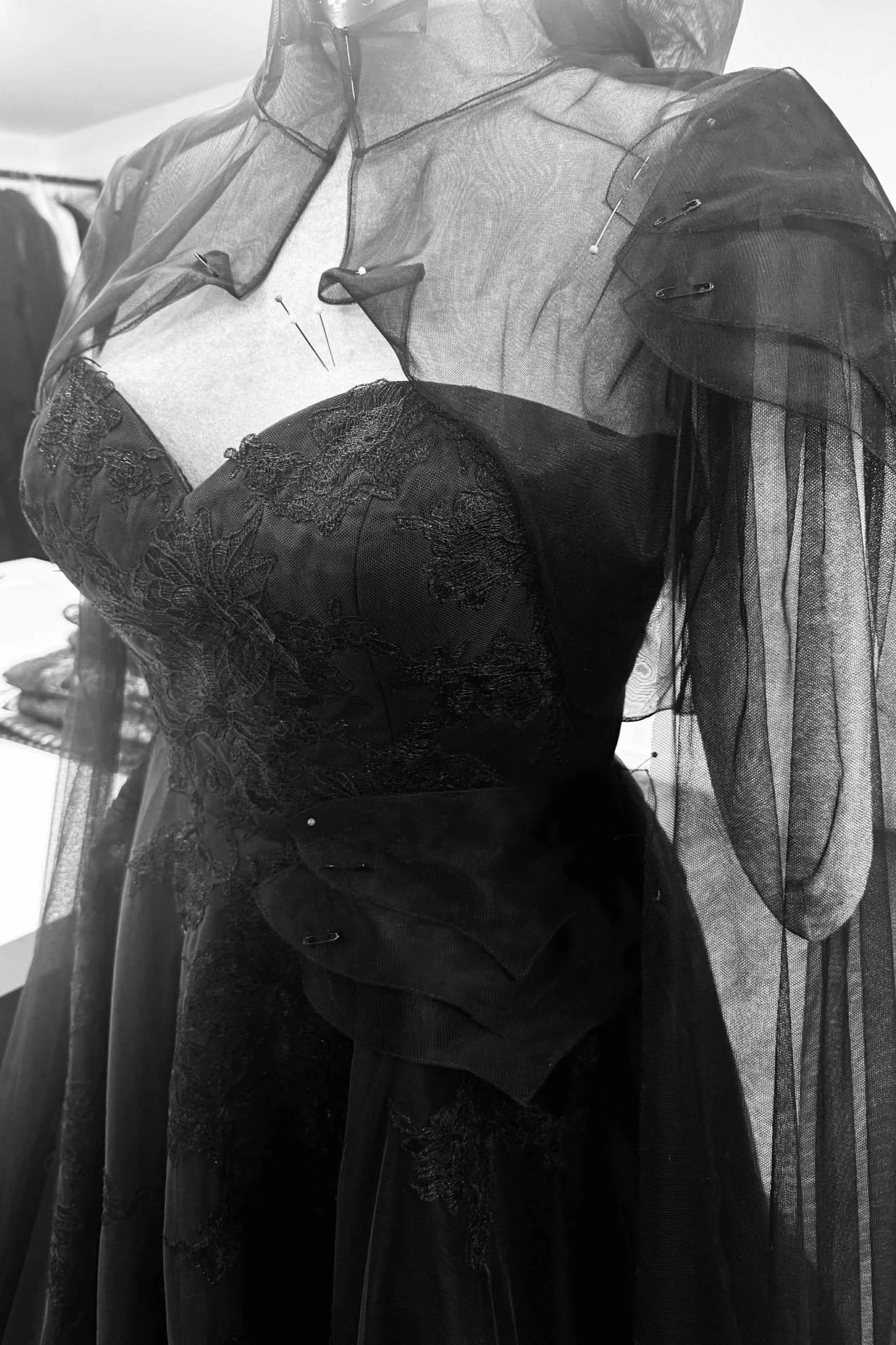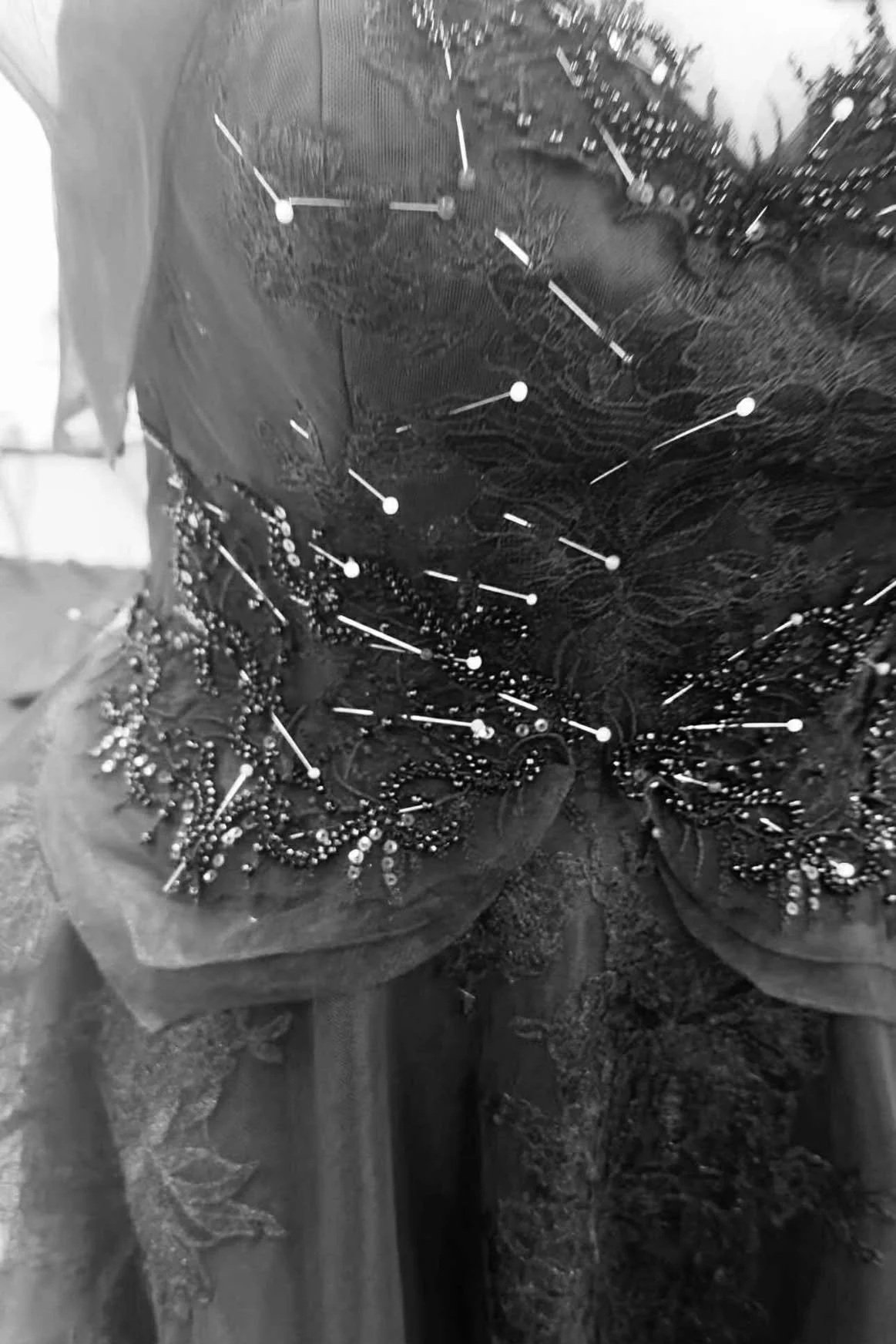
Alternative weddings aren’t a trend - they’re a reclaiming!
There’s a word that keeps circling lately when people talk about alternative weddings: trend.
And every time we hear it, something in us resists.
Because this was never about fashion cycles.
When we began Legend Bridal in 2011, black wedding dresses were not having a moment. There were no algorithms rewarding difference, no shops built for bodies outside the expected, no language yet for many of the couples who found us. For a long time, it felt like speaking into the dark and trusting that someone, somewhere, would hear.
And they did. Slowly. Softly. One by one.

Alternative weddings were born not from rebellion for rebellion’s sake, but from reclaiming - of ritual, of selfhood, of bodies, of symbolism. Of the right to stand at the centre of your own wedding day without translating yourself into something more acceptable.
What’s changing now isn’t the heart of alternative weddings - it’s the visibility.
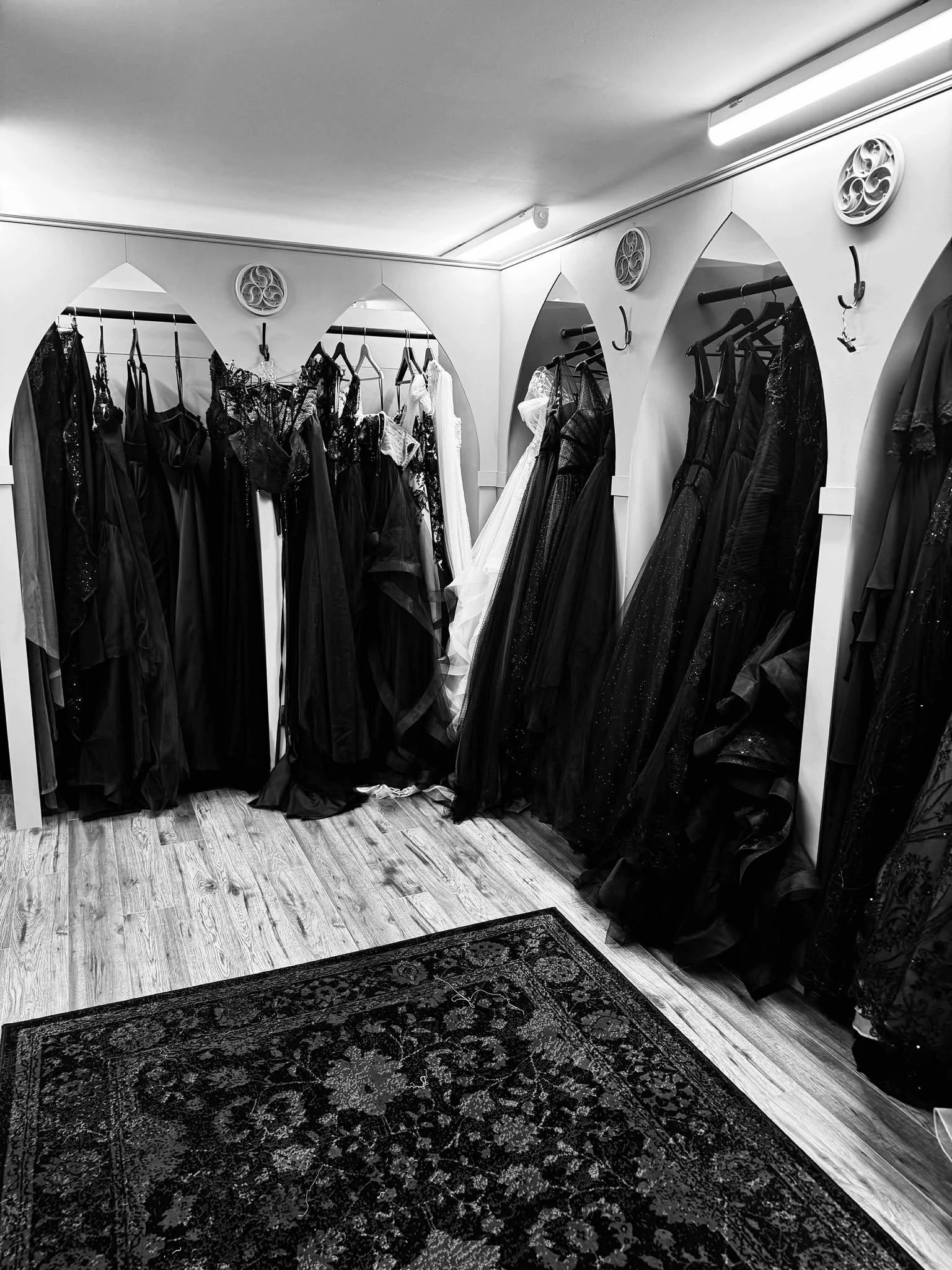
We’re seeing new bridal spaces emerge that centre alternative couples. Boutiques that aren’t built around a single designer’s hands, but around shared values. That’s new. And it matters.
Not because it makes this world more “on trend”, but because it means the movement has grown roots.
There’s a difference between consumption and care.
Between aesthetics borrowed for a season, and identities lived for a lifetime. Alternative weddings endure because they are about meaning first - the clothes are simply the language we use to express it.
And perhaps this is what reclaiming looks like, years later:
Not shouting anymore.
But building quietly.
Making space.
Considering how we support one another as this world widens.
And as these roots deepen, something else has begun to happen.
As more dedicated alternative bridal boutiques open their doors - spaces built with care, intention, and understanding - we’ve found ourselves in conversation. We’re being approached by potential stockists, curious about collaboration, about how these dresses might live beyond our studio walls. It’s a strange and wonderful thing to witness, and one we don’t take lightly.
We’re still listening. Still learning what feels right. But it feels important to say this aloud: if alternative weddings are entering a new phase, then so must the ways we support them. Not by scaling at any cost, but by moving thoughtfully, in alignment, and with mutual respect for the hands and histories that brought us here.
This, too, is reclaiming.