Can a wedding dress ever be sustainable?
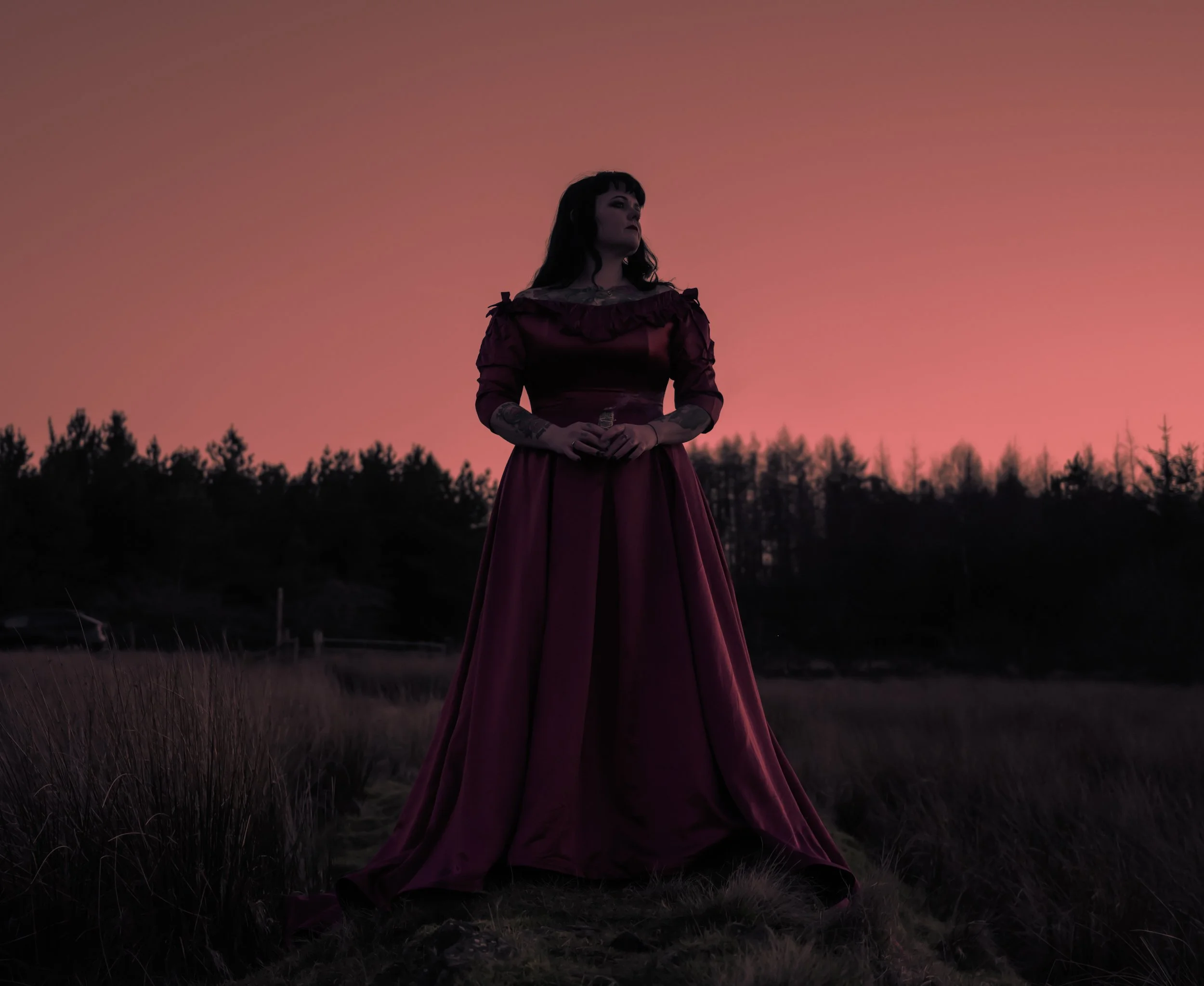
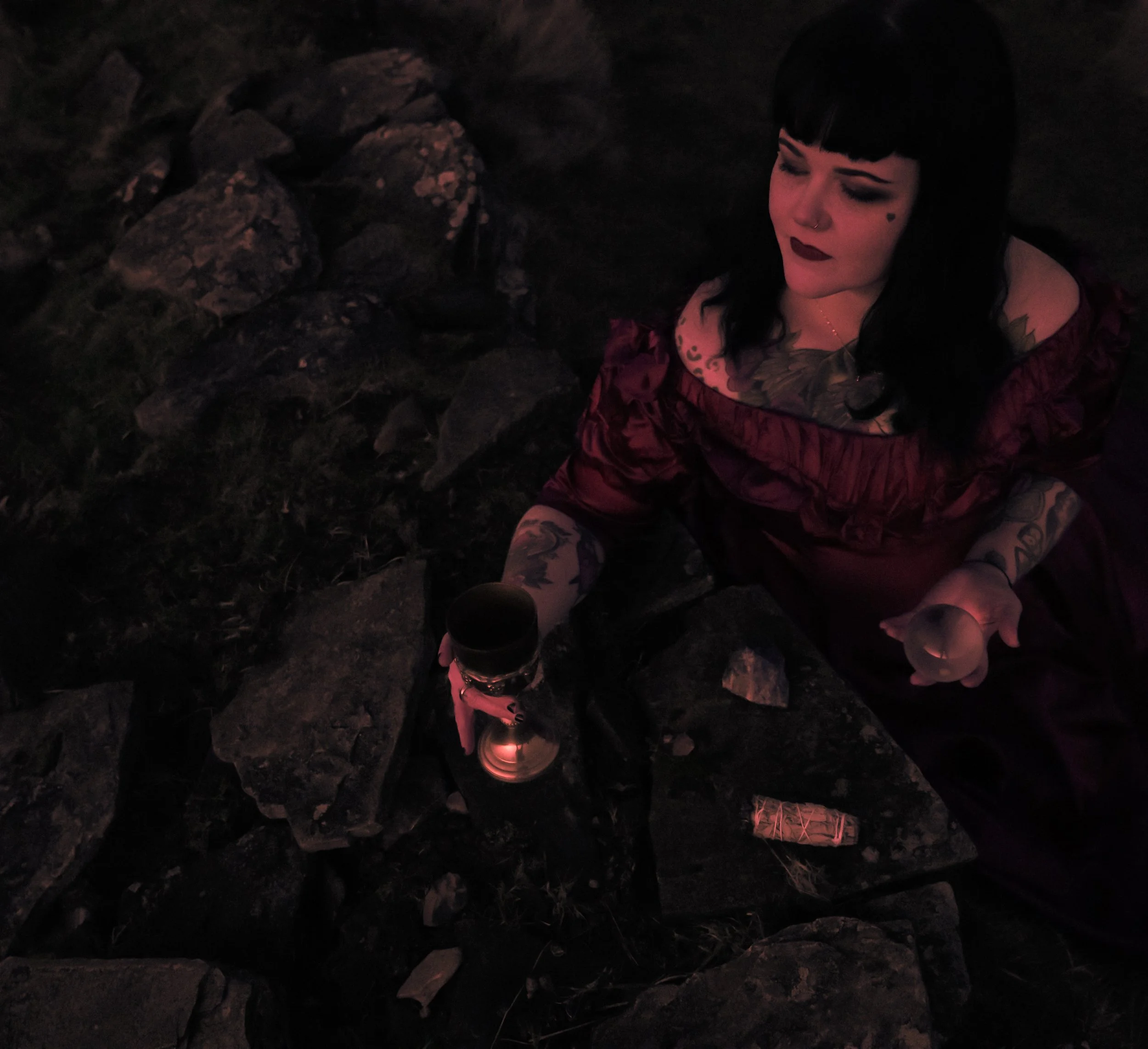
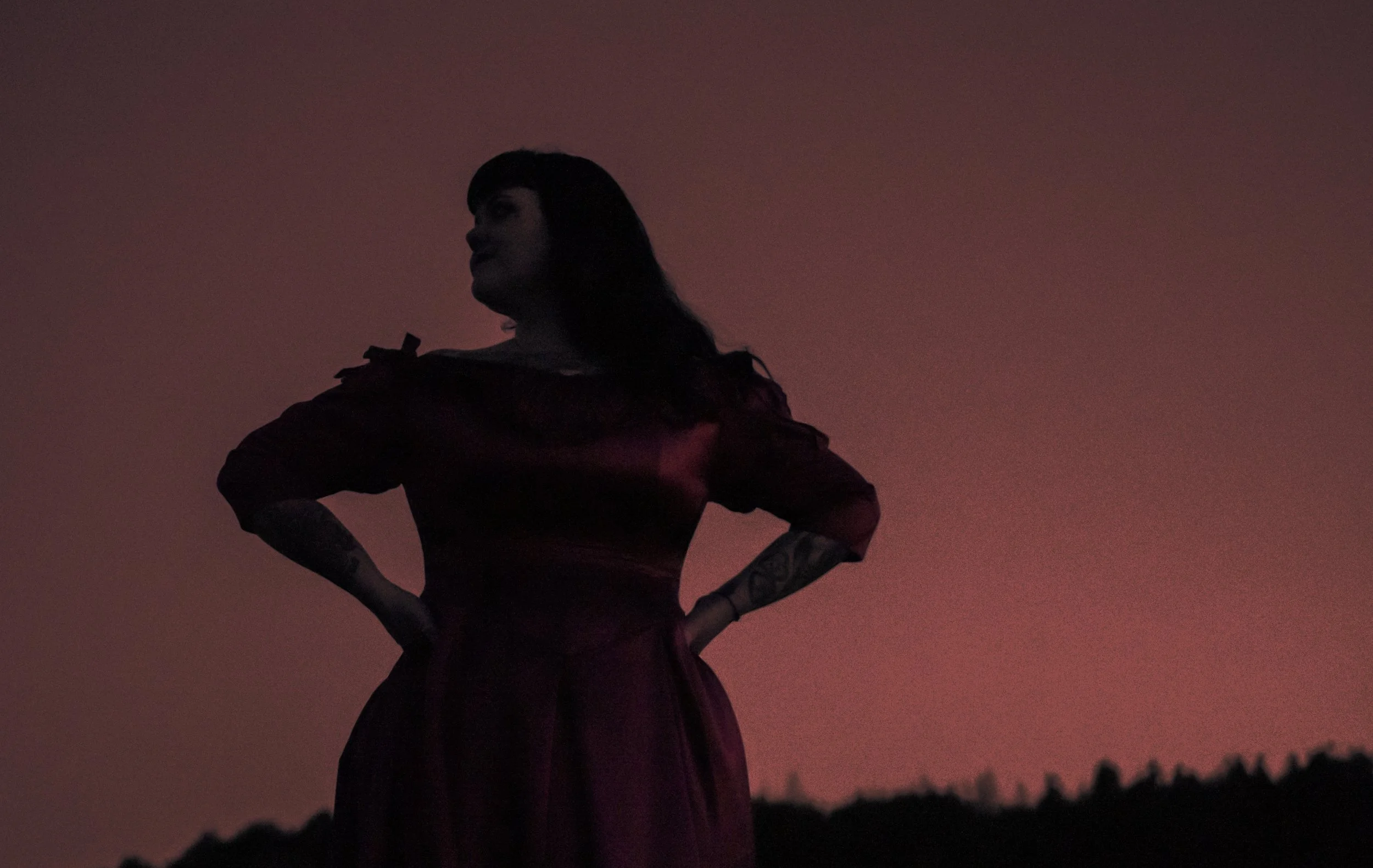
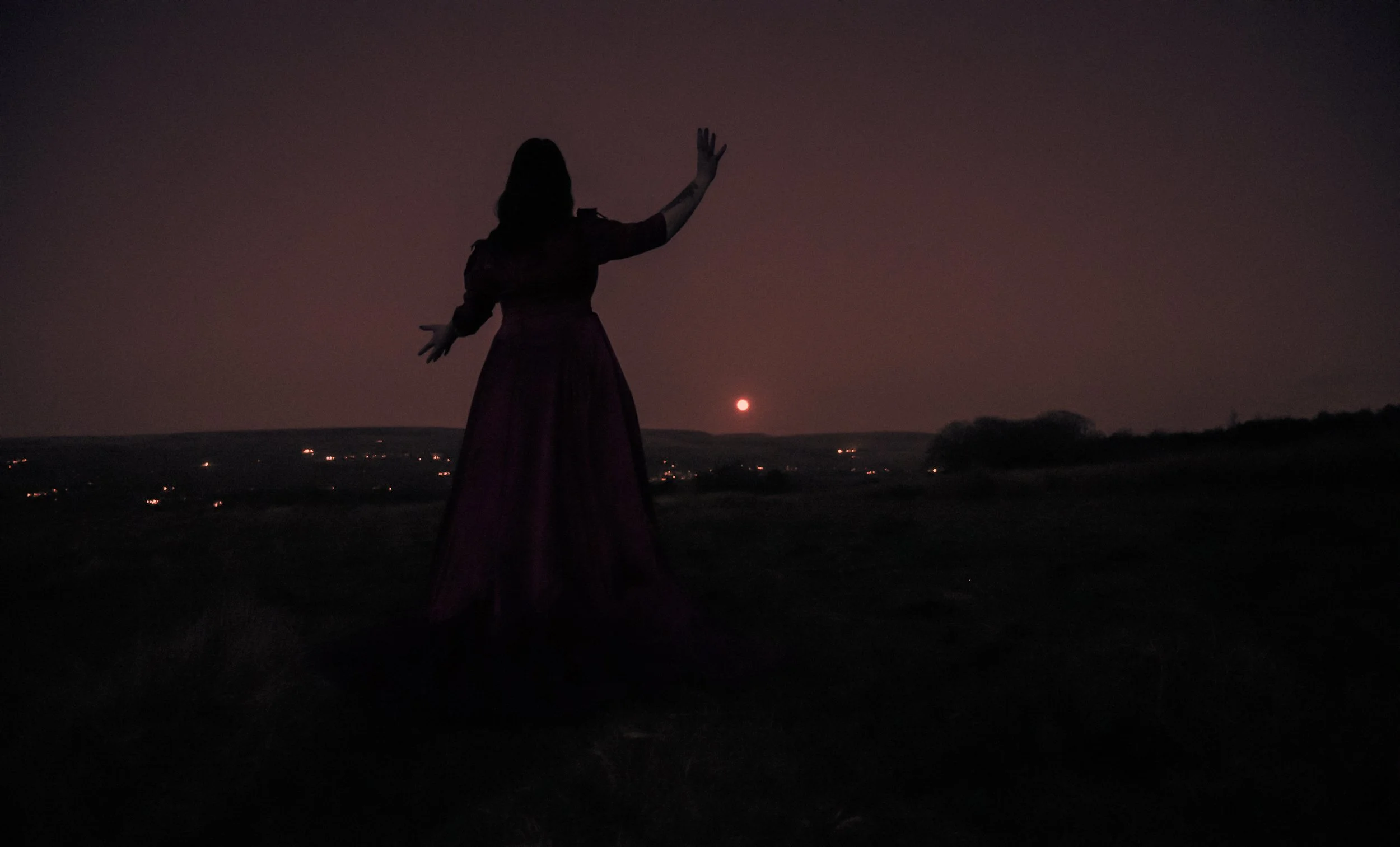
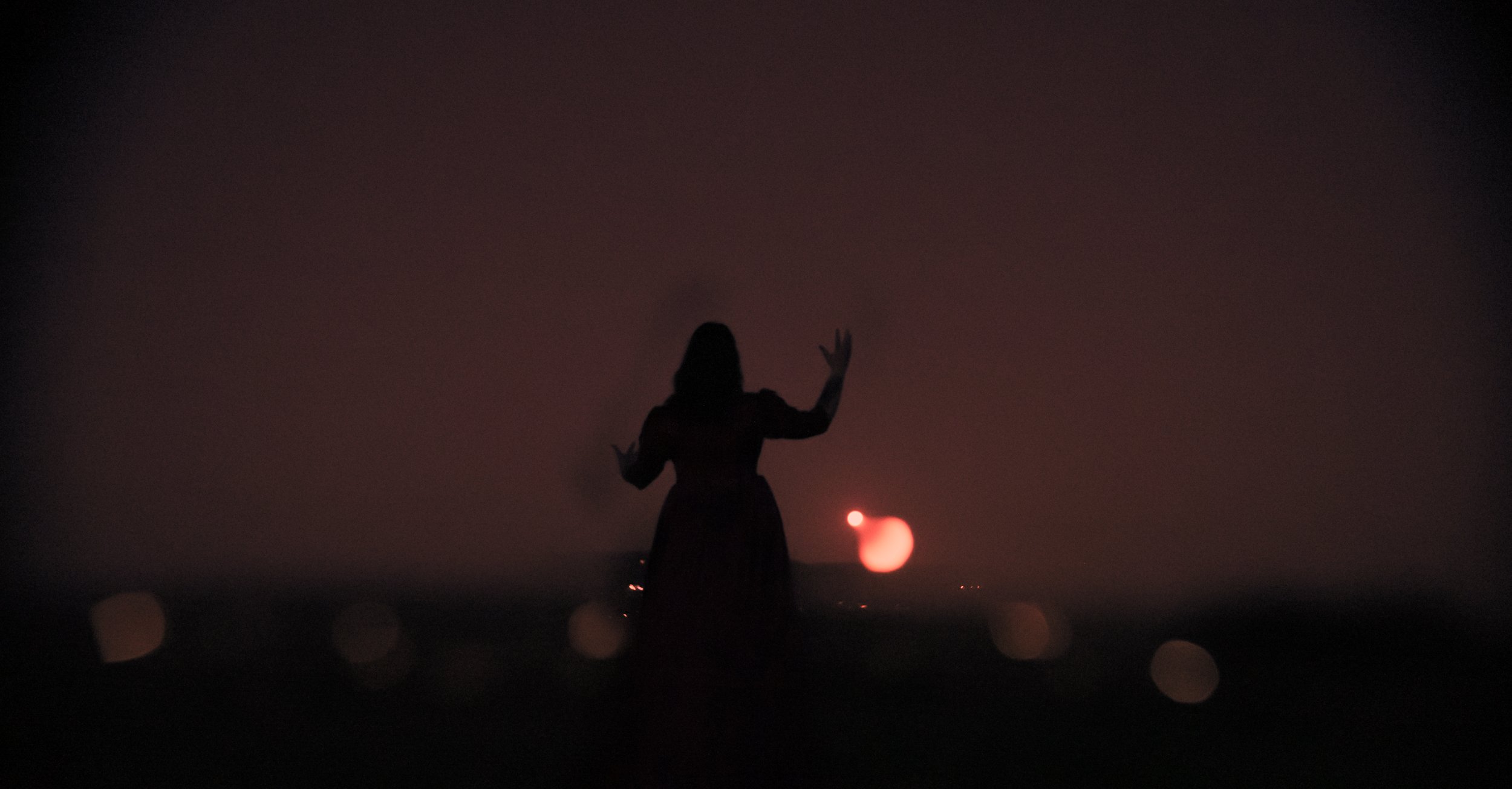
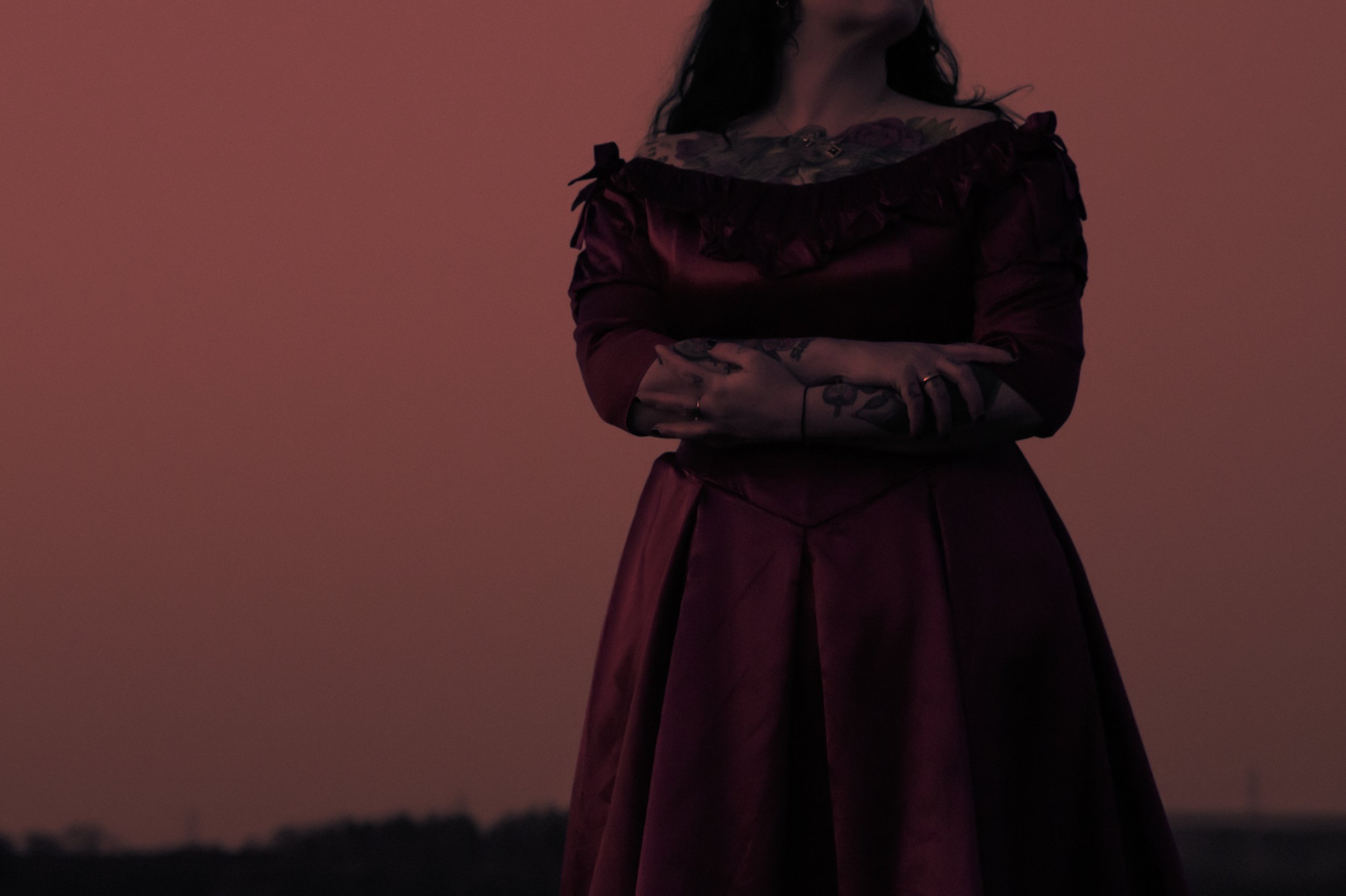
Image: Vicky Dubois Photography, Shoot: Blood Moon, Bespoke Wedding dress worn for a second time
Sustainability is a question we grapple with surprisingly often. Every time we develop a new design it’s one of the questions we wrestle with. Many times when working with someone to create their perfect gown, we bring it into the conversation, and every email we get after the wedding asking ‘what do we do now?’ brings the discussion to the fore.
The holy grail would be to be able to say one fabric is sustainable and another isn't. That choosing natural fibres is always better than synthetic fibres. Or that there is a perfect solution waiting to be discovered. Unfortunately, sustainability is rarely that simple.
The more we've learned about fabric production, the more we've realised that every choice involves trade-offs.
Cotton is natural and biodegradable, but growing it can require significant amounts of water, fertilizers, pesticides, land and agricultural inputs. Whole rivers have dried up as a direct result of cotton production and habitats destroyed.
Silk is a natural luxury fibre, yet it raises ethical questions - especially if you’re vegan like me. Peace silks have such a significant environmental footprint depending on how it is produced that they’re just not truly viable.
Synthetic fibres often rely on fossil fuels and won't readily biodegrade, but arguably have a smaller carbon footprint and can also be incredibly durable, allowing garments to last for decades.
There’s a whole new sector of recycled fabrics evolving, but so far they’re directed at everyday wear or only come in shades of ivory - neither of which are really suitable for dark dramatic wedding dresses.
The reality is that no fabric arrives without a story, and no material exists entirely without impact.
The Problem With Fast Answers
In recent years, sustainability has often been reduced to simple labels; natural equals good, synthetic equals bad.
But when we look closer, things become more complicated. A polyester dress worn and loved for decades may ultimately have a lower impact than a cheaply made cotton garment worn only once. A locally produced synthetic fabric may travel fewer miles than a natural fibre sourced from the other side of the world. A dress carefully altered, repaired and passed on may have a very different environmental story to one discarded after a single wear.
The question becomes less about finding the perfect material and more about considering the full life of a garment.
The Most Sustainable Dress Is Often The One That Already Exists
This is one reason why pre-loved wedding dresses, family heirlooms and second-hand fashion play such an important role in the sustainability conversation when considering the fashion industry as a whole.
Extending the life of an existing garment often avoids the environmental impact of creating something new altogether and for some couples this is absolutely the right choice. But for many though, the reality of finding the perfect dress in second hand boutiques is unlikely - especially when you’re planning to look like a Viking shield maiden, a forest enchantress or immortal vampire.
Longevity Matters
As designers, one of the things we think about most is longevity.
Not simply whether a fabric biodegrades, but how a garment is likely to be cherished. Will it be stored and store well? Will it be altered and worn again? Will it be photographed, remembered and perhaps even passed on?
A wedding dress occupies a curious space. It may only be worn for a single day, yet it often becomes one of the most treasured garments a person will ever own - and that in itself carries a lot of importance.
Unlike many items of fast fashion, a wedding dress is rarely disposable.
Choosing Thoughtfully
Perhaps sustainability isn't about finding a perfect answer, perhaps it's about making thoughtful choices.
Whether it’s within Legend or in our personal life we would always prefer to choose quality over quantity, Wherever possible we will try to support skilled makers. encourage repairing rather than replacing, and re-wearing where possible.
We love to hear about our gowns being worn more than once, or passing garments on when their wedding story has ended. In fact, we’re planning a second blog on this topic filled with ideas on how to extend the life of your wedding dress.
Our View
As dressmakers, we don't believe sustainability can be reduced to a single fabric, certification or marketing claim.
Instead, we believe it comes from creating garments with care, designed to be treasured and made to last, because in a world increasingly filled with disposable things, there is value in creating something meaningful.
And perhaps that, too, is a form of sustainability.
Note about the shoot:
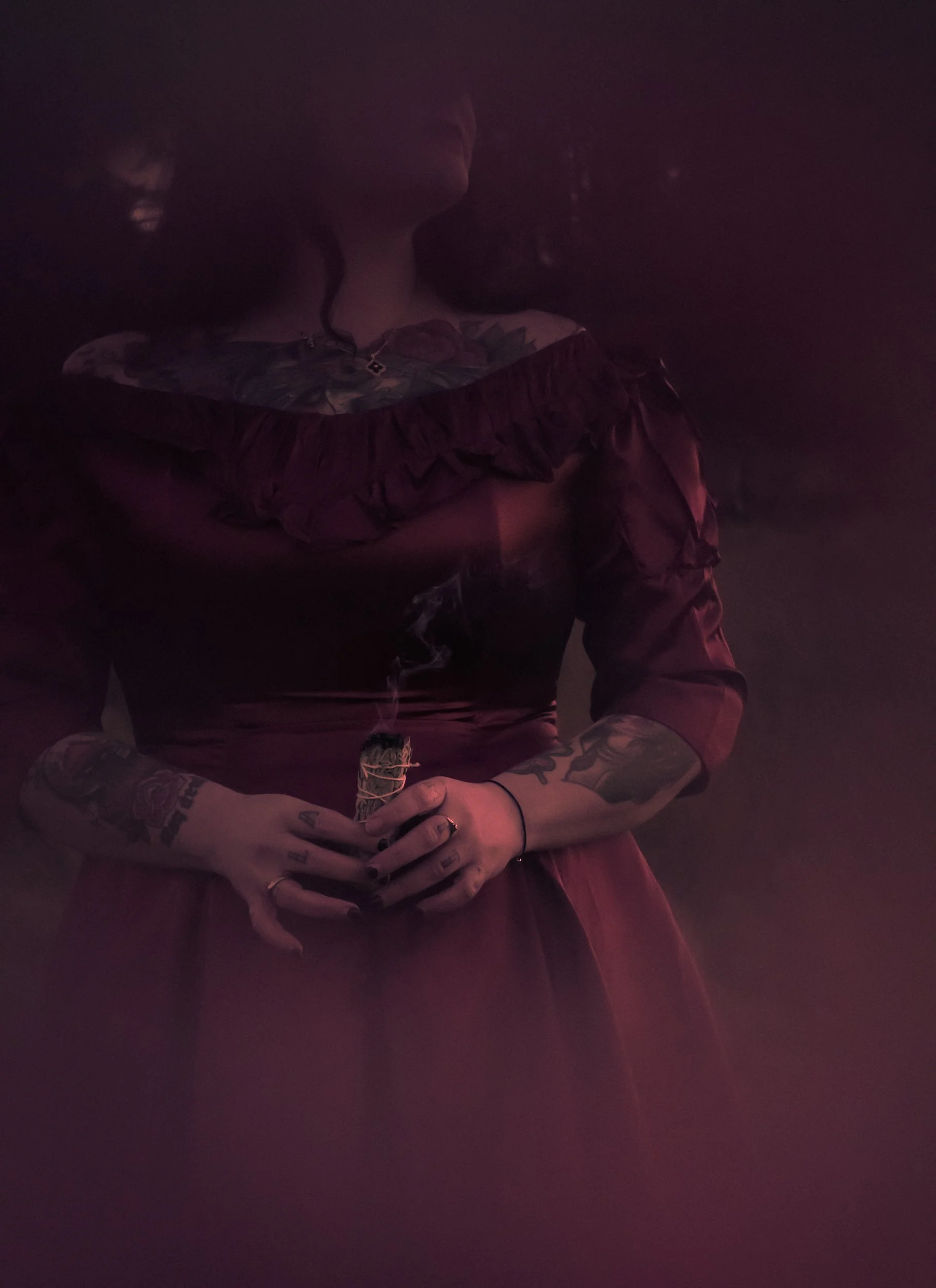
The images are of a bespoke wedding dress commission that was worn a second time for an ‘Ever After’ shoot with Vicky Dubois Photography - a post wedding photoshoot where you get to be a little bit magical.